| Another
Review at MyShelf.Com | ||||||||||||||
|
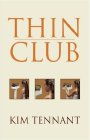
by Kim Tennant One day it just happens. A normal girl with a healthy body image looks into a mirror and sees an image that betrays what she once believed to be true. She sees an image that is fat. She sees an image that must be changed and she begins to take steps - unhealthy steps - to change it. Sometimes the impulse to change her perceived image is the result of abuse or neglect. Sometimes it is the result of pressure from peers and the media to measure up (or down as the case may be) to an unrealistic and often computer-manipulated image of the female ideal. Sometimes that pressure is supported by comments girls overhear their teachers, mothers, and other adult female role models make about their own bodies. For these reasons and many others, anorexia, bulimia, and other forms of body image manipulations have reached an epidemic proportion. Kim Tennant’s Thin Club explores the journey of one young girl through the false looking glass image and down the rabbit hole of anorexia. Eleven-year-old Mandy is the normal girl with a healthy body image and a normal life until she goes on a typical shopping trip with her two best friends. While trying on a red party dress her friends tell her that she is too fat to wear the dress but she should nevertheless buy it in an even smaller size (the ideal size 2, or even better 0) and diet until the dress fits. This was Mandy’s "one day it just happens" turning point. Together the three formed the Thin Club. Mandy’s friends provided dieting and exercise tips as well as secrets for keeping her parents clueless about her new body-altering habits. But no matter how much weight Mandy lost, the image in the mirror revealed someone who needed to lose even more. The diet becomes an obsession; the obsession becomes an illness affecting every aspect of Mandy’s once normal life. Written from Mandy’s point of view, this book illustrates the deadly trap that is anorexia without being preachy or pedantic. It is a story which will appeal to girls in upper elementary through middle school and may open doors to authentic conversation about the modern crisis of negative female body image. As an adult read, it may remind mothers, teachers, and other female role models of the power of our own words in young girls’ ears. |
|
|||||||||||||
©
2008 MyShelf.com |
||||||||||||||
 Thin Club