
The Year We Replaced the Roof and Reorganized Every Bookshelf
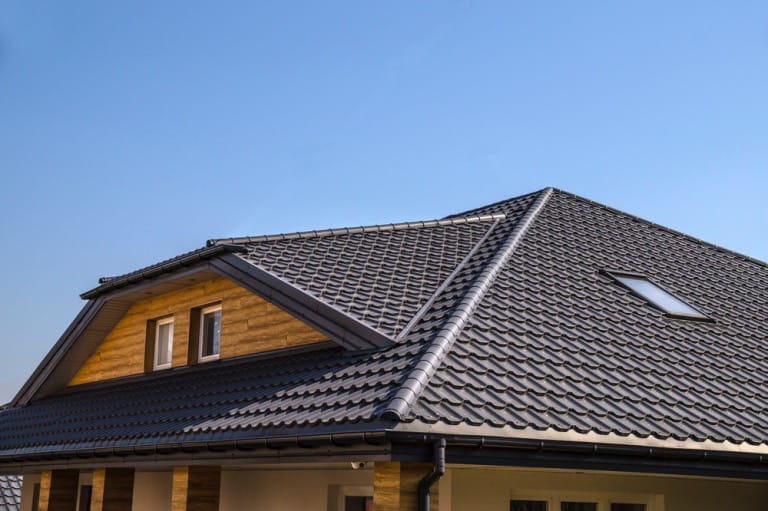
Every house has a project that nobody wants to start. In ours it was the roof. It wasn’t leaking, exactly. It just had that tired look, curling at the edges, darker in some spots than others, a little like a paperback that’s been read in the bath too many times.
We live in Lubbock, where the sun is strong, the wind rarely rests and spring hail is a regular guest. After one storm too many, we finally called around for help with Lubbock roofing contractors, and what followed turned into a surprisingly good season for the books inside the house too.
This is a story about both. Shingles. Shelves.
Why a roof matters to a reader?
Books hate water. They hate humidity almost as much. A slow roof leak that drips behind a wall can ruin an entire row of hardcovers before you notice a single stain, because paper soaks up moisture quietly and swells, warps and mildews long before anything shows on the ceiling.
That fear was what pushed us. We have a lot of books. Cookbooks in the kitchen, mysteries in the living room, poetry stacked on the nightstand, children’s picture books in a basket by the stairs, and a closet full of boxes we keep promising to sort.
Choosing who to trust
We talked to a few contractors, and some were pushy, one wanted a deposit on the spot before he had even climbed a ladder, and another never called back after promising to send an estimate by the end of the week. The one we went with, CRS Roofing & Construction, took the time to walk the whole roof, showed us photos of what they found and explained why patching wasn’t going to buy us much more time.
That mattered. Like choosing a book on a friend’s recommendation instead of a flashy cover, it helps to work with people who explain their thinking. We asked about materials, about how long the job would take and about what would happen if it rained mid project. We got straight answers in writing.
The week of the tear off
Nobody warns you how loud it is. For the better part of two days, it sounded like a small army was dancing on the ceiling. The dog was offended.
We used the time well. Since every room was shaking anyway, we pulled the books off the shelves along the outside walls, partly to keep them safe from vibration and dust and partly because, honestly, we’d been meaning to do it for years.
Then the sorting.
What we learned from emptying the shelves?
You see the structure underneath. You notice what’s sagging, what’s been patched and what never really worked in the first place.
We found duplicates. Three copies of the same cookbook, two of them still in shrink wrap. We found books borrowed from friends a decade ago. We found a box of college paperbacks that smelled like a basement, which was its own small warning about moisture.
Rules emerged. Keep what you’ll read again or lend, donate what someone else would enjoy more, recycle what’s too damaged to save and store the rest somewhere dry, ideally on an inside wall, off the floor and away from any window that catches the afternoon sun.
A dry house is a happy library
Once the new roof was on, with fresh underlayment, proper flashing around the chimney and ventilation that actually moved air through the attic, the house felt different. Cooler. Quieter.
The books felt it too, in their way. Readings have stayed steady through a couple of big storms. Good.
If you love books, a few habits help no matter how good your roof is:
- Keep shelves a few inches off exterior walls so air can circulate.
- Avoid storing boxes of books in attics or garages where heat and moisture swing.
- Check ceilings and the tops of walls after heavy storms, especially in rooms you don’t use daily.
- Rotate what’s on display so nothing sits in direct sun for years.
Thinking about the roof like a bookshelf
Here’s the odd comparison we kept coming back to. A good roof and a good bookshelf both do quiet work. Nobody admires them on a daily basis. They hold things up, keep things safe through every season and every storm, carry a surprising amount of weight without complaint for years on end, and only get noticed on the one bad day when they finally fail and everything they were protecting ends up on the floor.
Roofs in this part of Texas fail for predictable reasons: UV wears the shingles, wind lifts the edges and hail bruises the surface. Bookshelves fail when they’re overloaded, poorly anchored or placed somewhere damp.
We also learned that age matters more than looks. Our old roof looked okay from the street. Up close, it wasn’t.
If you’re putting it off
We waited too long. A roof replacement is a big expense, and it’s easy to keep telling yourself that one more season won’t hurt. Sometimes it doesn’t. Sometimes a spring storm makes the decision for you.
If you’re on the fence, get an honest inspection and ask a lot of questions. Find out what kind of shingles would suit your house, whether impact rated products make sense for your budget and how your insurance treats an older roof. Reading about roof replacement in Lubbock before anyone climbs a ladder can make the conversation easier, because you’ll already know the basic steps and the right questions to ask.
A new chapter
The roof is done. The shelves are lighter. We gave away four boxes of books and somehow still have no empty space, because of course we went straight to the used bookstore to celebrate.
Now when a storm rolls across Lubbock, we sit in the living room with a cup of tea and a mystery, listen to the wind and the rain, and don’t worry about a thing. That might be the best reading nook upgrade we’ve ever made, and it happened on the roof.